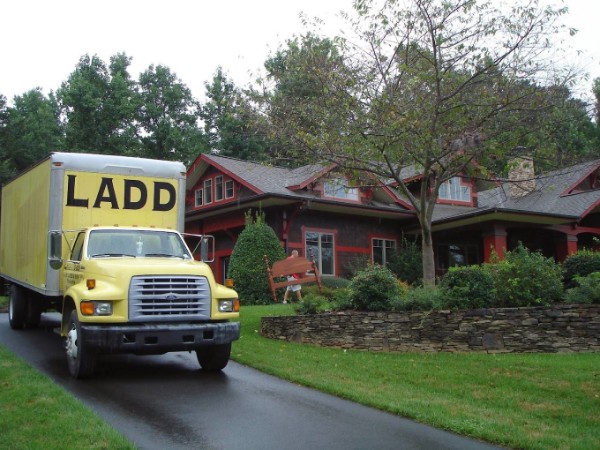
Most people in the Triangle move between May and August, because of school calendars and lease cycles. It's also the hardest time of year to move well, and almost nobody plans for the heat as a logistics problem.
The inside of a closed trailer sitting in the sun on a 95°F Durham afternoon will reach 130–140°F. That's not a moving problem. That's a materials science problem.
What actually gets damaged
- Candles and wax. Obvious in hindsight. They pool, and they pool into whatever is under them.
- Vinyl records. They warp around 140°F. Records travel in the cab or your car, standing on edge, never flat.
- Electronics. Batteries degrade and swell in sustained heat, and LCD panels can develop permanent artifacts. Laptops, tablets, and anything with a lithium battery ride with you.
- Wood furniture and antiques. Not the heat alone, the humidity swing. Wood absorbs moisture, expands, then dries out and contracts. That cycle is what opens joints and lifts veneer.
- Medications, cosmetics, and anything oil-based. Separate them out and carry them yourself.
- Houseplants. A trailer is a fast way to kill a plant. They go in the car.
Schedule for the morning
Start at 7 or 8 AM. A crew that begins at 8 gets the heavy furniture out before the worst of the afternoon, and the truck spends fewer hours baking. A start at noon means the entire load happens at peak temperature, and everyone works slower, which shows up on an hourly bill.
Keep the utilities on at both ends
This is the tip that gets ignored and shouldn't be. Do not schedule your electricity to switch on the day after your move. Air conditioning running at the destination when the truck arrives protects your furniture and it keeps the crew working at a reasonable pace. Confirm power at both addresses the day before.
Water, actually
Have a cooler with cold water and ice. Not as a courtesy, as a scheduling decision. Heat exhaustion on a moving crew ends the job. Any reputable company sends its own water, but the extra cooler by the door is the single most appreciated thing a customer does in July, and it keeps the move on schedule.
Protect the floors from what's coming in on boots
Summer in North Carolina means afternoon thunderstorms with no warning. Floor runners at both houses, a stack of towels by the door, and a plan for what happens if it starts raining mid-load. Ask your mover what they do when the sky opens, good crews have a specific answer involving plastic and a closed trailer.
If you have a choice, move in the shoulder season
April, May, September, and October are the best moving months in the Triangle by a wide margin: milder temperatures, lower humidity, and, because they're outside peak season, better availability and more flexible pricing. If your dates are movable at all, move them there.
Check our availability for your dates →
Moving in the Triangle?
Five generations of Durham movers. Free estimates, no obligation.
Get a Free Estimate Call 919-596-2469